United Nations Human Rights Council
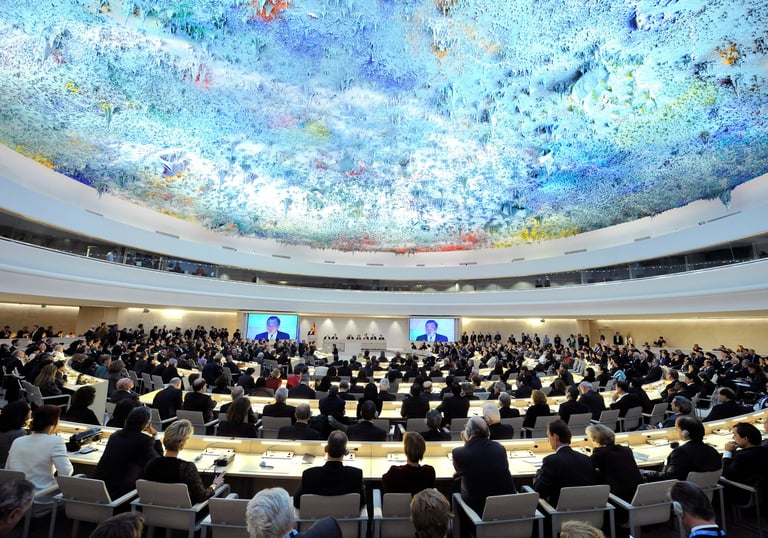
Esteemed delegates, welcome to SALMUN XX! Describing one of the most important UN bodies, the Human Rights Council (HRC), is a pleasure. The Human Rights Council (HRC) is an intergovernmental body in the United Nations. It comprises 47 countries willing to protect the fundamental rights and needs of the world’s population. Established in 2006 during a General Assembly, the body is responsible for promoting and protecting all human rights worldwide, responding to human rights emergencies, and recommending how human rights could be more efficaciously implemented in specific countries. According to the United Nations (UN), every citizen should have fundamental rights and direct access to health, education, social protection, and public participation. The first topic being covered is related to the Ethnic Cleansing and Oppression of the Rohingya in Myanmar. This issue presents significant challenges, reflecting a profound interplay of socio-political, cultural, and security dynamics. Our second topic, “Protecting the Rights of Indigenous People in the Face of Resource Extraction,” is related to the growing global tension between economic development and the preservation of indigenous lands, cultures, and autonomy. These governments largely control the media environment by controlling, or even owning, press outlets, operating strict censorship laws, and restricting access to the internet and social media. This helps shape public opinion and works to cover unfavorable news, maintaining narratives that fit their rule.
Topics
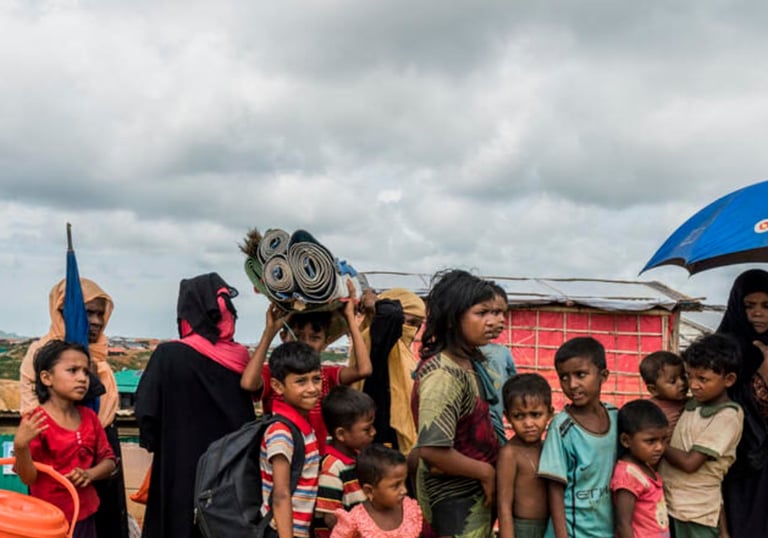
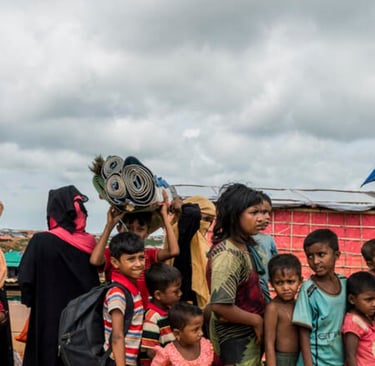
Topic A: Addressing the Ethnic Cleansing and Opression of the Rohingya in Myanmar
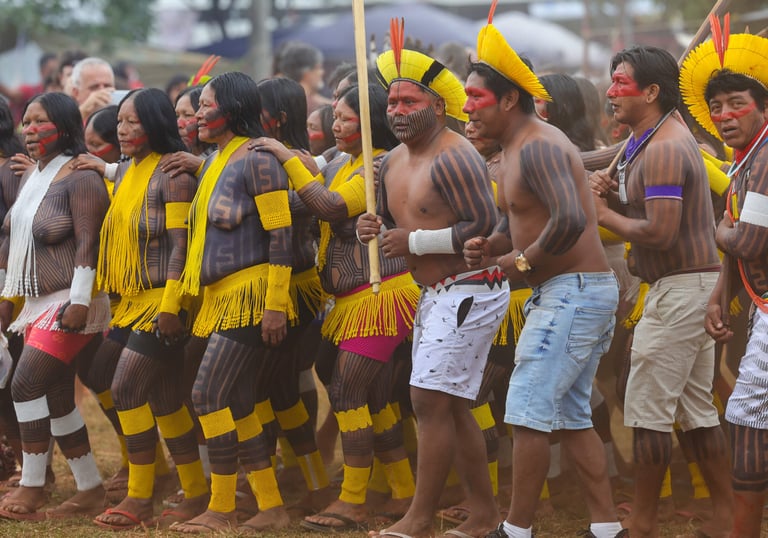
Topic B: Protecting the Right of Indigenous People in the Face of Resource Extraction